

Blog
Kids Martial Arts vs Karate: Which Is the Better Choice for Your Child?

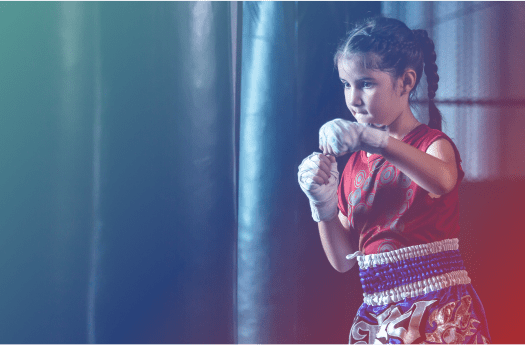
Parents looking for a martial arts program for their child quickly discover there are plenty of options. Karate is one of the most recognized names, while Kids Muay Thai has continued growing as families look for programs that combine practical skills, physical activity, and personal development. At first glance, the classes may seem similar because they all teach discipline, respect, and striking techniques, but the training experience can be very different from one program to another.
Choosing between kids martial arts and karate isn’t about finding a style that’s universally better. It’s about finding a program that matches your child’s personality, interests, and learning style. This comparison explains what children typically experience in each type of class, what parents often notice as training continues, and what to look for when deciding which program fits your family. If you’re exploring Kids Martial Arts programs in Atlanta, understanding those differences can make the decision much easier.
Why Parents Compare Martial Arts and Karate
Families usually begin their search with the same goals in mind. They want their child to become more active, develop confidence, learn self-discipline, and participate in an activity they’ll enjoy long after the excitement of the first few classes wears off. Martial arts programs can help children develop all of those qualities, which is why comparing different styles is a natural part of the decision-making process.
Karate is often the first style parents recognize, while Muay Thai may be newer to them. That doesn’t mean one is automatically a better choice than the other. Every martial art has its own approach to teaching, training, and helping students progress. The most important question isn’t which style has the better reputation, but which learning environment will help your child stay engaged, continue improving, and enjoy coming back to class each week.
Every Child Has Different Goals
A child who enjoys constant movement may be drawn to a fast-paced class filled with partner drills and pad work, while another may appreciate a more traditional structure with clearly defined progressions. Age, personality, confidence level, and previous experience all influence how children respond to training. Visiting a class, meeting the coaches, and watching how students interact often provides a much clearer picture than comparing martial arts styles on paper alone.
What Children Learn in Kids Martial Arts
Kids Muay Thai classes are built around movement, learning, and steady progression. Children warm up, practice footwork, learn punches and kicks, work on the pads, and participate in partner drills that help them apply what they’ve learned. Every activity has a purpose, allowing students to build new skills while staying active from the beginning of class until the end.
Coaches introduce techniques in manageable steps so children aren’t expected to master everything at once. They demonstrate a movement, explain why it works, give students time to practice, and provide individual feedback throughout class. That combination of instruction, repetition, and encouragement helps children improve naturally while making every class feel productive and engaging.
Building Skills Through Active Practice
Children learn best by doing, which is why active practice is such an important part of Muay Thai. Every class gives students opportunities to repeat techniques, make adjustments, and experience their own progress over time. As combinations become smoother and movements feel more natural, children gain confidence because they can clearly see how consistent practice leads to improvement.
What Karate Classes Usually Focus On
Karate classes often follow a structured format that emphasizes strong fundamentals, discipline, and technical precision. Students commonly learn basic strikes, blocks, stances, and kata, which are predetermined sequences of movements used to develop coordination, balance, and technique. Belt progression is also a familiar part of many karate programs, giving students clear milestones to work toward as their skills improve.
While those elements are common, no two karate schools are exactly alike. Teaching methods, class structure, and curriculum can vary depending on the style of karate and the instructor leading the program. A traditional dojo may have a different training approach than a modern karate school, so visiting a class is often the best way to understand what children will actually experience.
Every Karate School Is Different
Karate includes several different styles, each with its own training methods and philosophy. Class size, coaching style, belt requirements, and the balance between technique, forms, and partner work can all differ from one school to another. Looking beyond the name of the martial art and paying attention to the quality of instruction will give parents a much better understanding of whether a program is the right fit for their child.
The Biggest Differences Parents Notice
The biggest differences between Kids Muay Thai and karate usually become clear after watching a class rather than reading about the styles. Both teach respect, discipline, and striking techniques, but the pace of training and the way children practice those skills can feel very different. Kids Muay Thai classes often place a strong emphasis on movement, pad work, partner drills, and learning how techniques work in a practical setting. Karate classes commonly spend more time developing fundamentals through structured technique practice, forms, and traditional progression.
Neither approach is automatically better because children respond differently to different learning environments. A child who enjoys constant movement and interactive drills may feel at home in a Muay Thai class, while another may thrive in the structured routine offered by a karate program. Visiting a class and watching how coaches interact with students often provides a much clearer picture than simply comparing the names of the martial arts.
| Kids Muay Thai | Karate |
| Active movement throughout class | Strong emphasis on structured fundamentals |
| Pad work and partner drills | Forms (kata) are common in many programs |
| Practical combinations taught step by step | Technical precision through repeated practice |
| Progress through technique development and practical application | Progress often follows a structured belt system |
Which Program Is Better for Confidence?
Confidence doesn’t come from the name of the martial art a child studies. It grows through consistent practice, supportive coaching, and the experience of accomplishing something that once felt difficult. A child who learns in a positive environment, receives constructive feedback, and continues seeing progress over time is likely to become more confident regardless of whether they’re training in Muay Thai or karate.
That’s why parents should pay close attention to the culture of a gym or dojo instead of focusing only on the style being taught. Coaches who encourage effort, treat every child with respect, and create an environment where mistakes are viewed as part of learning give students the opportunity to build confidence that lasts far beyond the training floor.
The Environment Matters More Than the Style
Children remember how a class makes them feel. Feeling encouraged to ask questions, challenged at the right pace, and supported while learning new skills creates an experience they look forward to every week. That positive environment often has a greater impact on confidence than the specific martial art listed on the front door.
Choosing the Best Fit for Your Child
The best martial arts program is the one your child enjoys enough to attend consistently. Visiting a class gives families the opportunity to see how coaches teach, how students interact with one another, and whether children of different experience levels feel comfortable participating. Those observations often tell you far more than reading a class description online.
As you compare different schools, look beyond the techniques being taught. Notice if coaches know their students, if instruction is age-appropriate, and if children leave class smiling while still being challenged to improve. A positive atmosphere, clear instruction, and genuine enthusiasm for teaching are qualities that benefit children regardless of which martial art they choose.
Why Families Choose Renegade Roots
Finding the right martial arts program goes beyond choosing a style. The coaching team, class environment, and overall experience have a lasting impact on how children feel about training and how much they continue to grow over time. At Renegade Roots, kids classes are designed to help every student build strong Muay Thai fundamentals while developing confidence, discipline, and respect in a positive, encouraging environment.
Children are challenged to improve, but they’re never expected to be perfect. Coaches provide individual feedback, celebrate progress, and create classes where students feel comfortable asking questions, learning from mistakes, and supporting one another. That combination helps children enjoy the learning process while continuing to build skills they can carry with them beyond the gym.
Helping Children Enjoy the Learning Process
Children are far more likely to stay committed to an activity when they enjoy showing up each week. Learning new techniques, working with supportive classmates, and reaching personal milestones keeps training exciting while giving students clear goals to work toward. As those experiences continue, confidence and discipline become natural outcomes of consistent practice instead of something children are simply told they should have.
Frequently Asked Questions
Is Muay Thai better than karate for kids?
Neither martial art is automatically better for every child. Both can help children develop confidence, discipline, coordination, and respect. The biggest difference usually comes down to the quality of coaching, the learning environment, and which style keeps your child motivated to continue training. Visiting classes and seeing how your child responds is often the best way to make a decision.
Can children start Muay Thai with no experience?
Absolutely. Kids classes are designed for beginners as well as students with previous martial arts experience. Coaches introduce techniques step by step, helping every child build a strong foundation before progressing to more advanced skills.
Do kids earn belts in Muay Thai?
Progress systems vary from one gym to another, and not every Muay Thai program follows a traditional belt ranking system. At Renegade Roots, the focus is placed on developing strong technique, consistent improvement, and long-term growth rather than advancing through belts alone. Coaches help students build skills at a pace that matches their experience and development.
Which martial art is better for confidence?
Confidence comes from consistent practice, overcoming challenges, and learning in a supportive environment. Children who enjoy their classes, trust their coaches, and continue seeing progress are likely to become more confident regardless of the martial art they study. The quality of instruction and the culture of the gym often play a bigger role than the style itself.
How do I know which class is right for my child?
Watching a class is one of the best ways to evaluate a martial arts program. Pay attention to how coaches interact with students, how children respond during instruction, and whether the atmosphere feels welcoming and encouraging. A program that keeps your child engaged while providing clear instruction and positive coaching is usually the best fit.
Find the Right Martial Arts Program for Your Child
Choosing between kids martial arts and karate doesn’t have to be about deciding which style is best. The goal is finding a program where your child feels comfortable learning, enjoys coming to class, and has the opportunity to continue growing week after week. A positive environment, experienced coaches, and consistent instruction will always have a greater impact than the name of the martial art alone.
If you’re exploring Kids Martial Arts in Atlanta, visit Renegade Roots to see a class in person, meet the coaching team, and experience the training environment for yourself. Watching your child step onto the mats is often the easiest way to discover if it’s the right place for them to build confidence, learn new skills, and enjoy the journey of martial arts.